Designing a scalable operations system for a growing retail chain
As the gelato chain expanded across multiple locations, operations became fragmented and inefficient. Store managers relied on spreadsheets to track expenses and inventory, while sales staff lacked simple tools for daily tasks.
Inconsistent data and slow decision-making created operational friction. The challenge was to design a centralized, role-based system that streamlined workflows, provided real-time visibility and supported scalable growth.
MY ROLE
• Designed an end-to-end management system for multi-store operations • Defined key workflows for inventory, supply, and expense tracking • Structured information architecture to support operational efficiency • Collaborated with stakeholders to align product and business needs
THE RESULT
• Streamlined daily operations across multiple stores • Improved visibility and control over inventory and expenses • Reduced time spent on manual tasks and coordination • Delivered a scalable system to support business growth
SERVICES
User Research · User Flows · Service Blueprint · Wireframes · UX/UI Design · Prototyping · Usability Testing
TOOLS
Figma · FigJam · Jira · Adobe CC · Notion · Google Drive
COLLABORATORS
Stakeholders · Product Team · Operations · Store Staff · Developers
PROJECT DURATION
4 Months
Role-based Experience design
Translating operational complexity into clear, role-based experiences
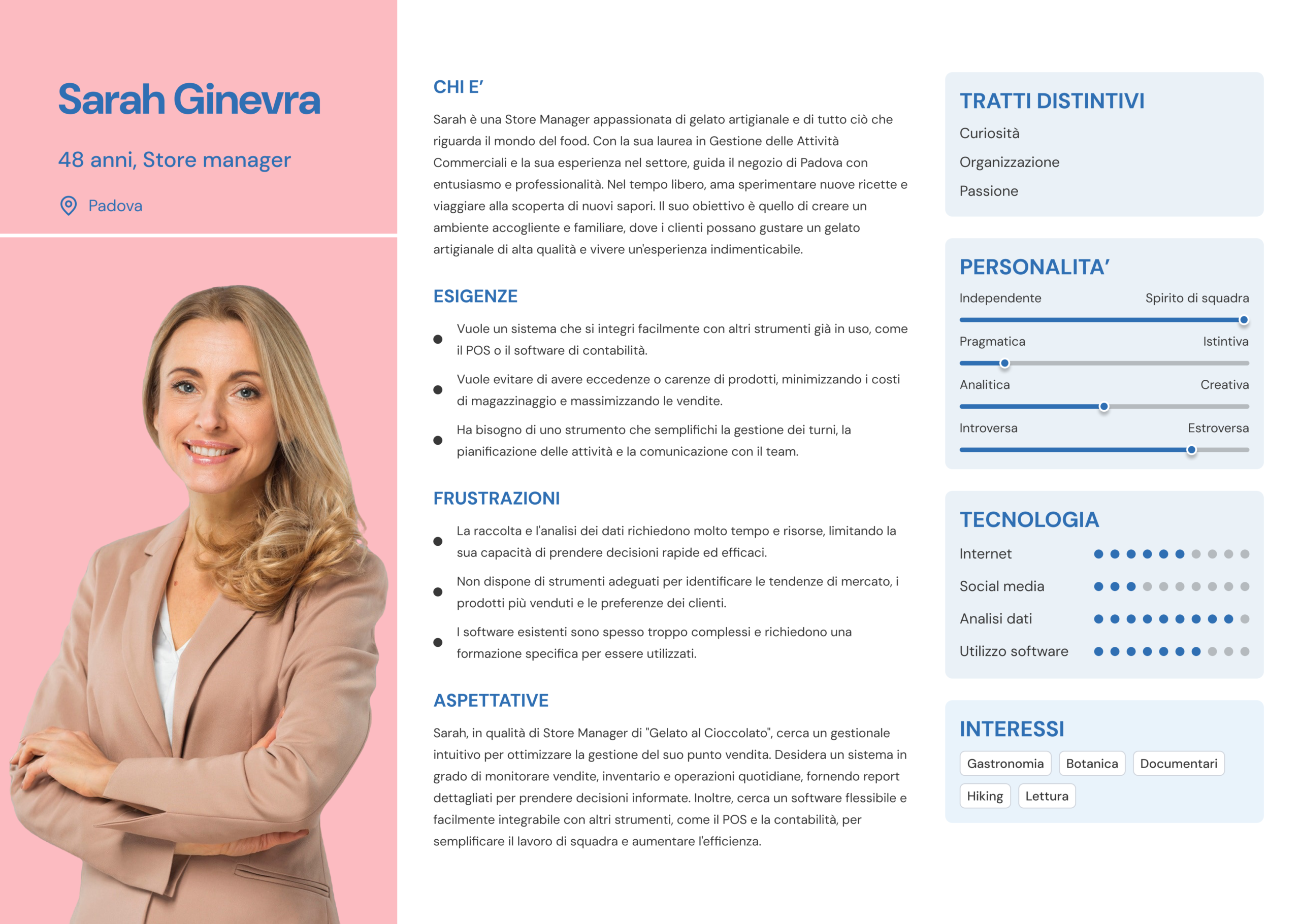
STORE MANAGER NEEDS
Overview of daily revenue
Low-stock alerts
Multi-store comparison
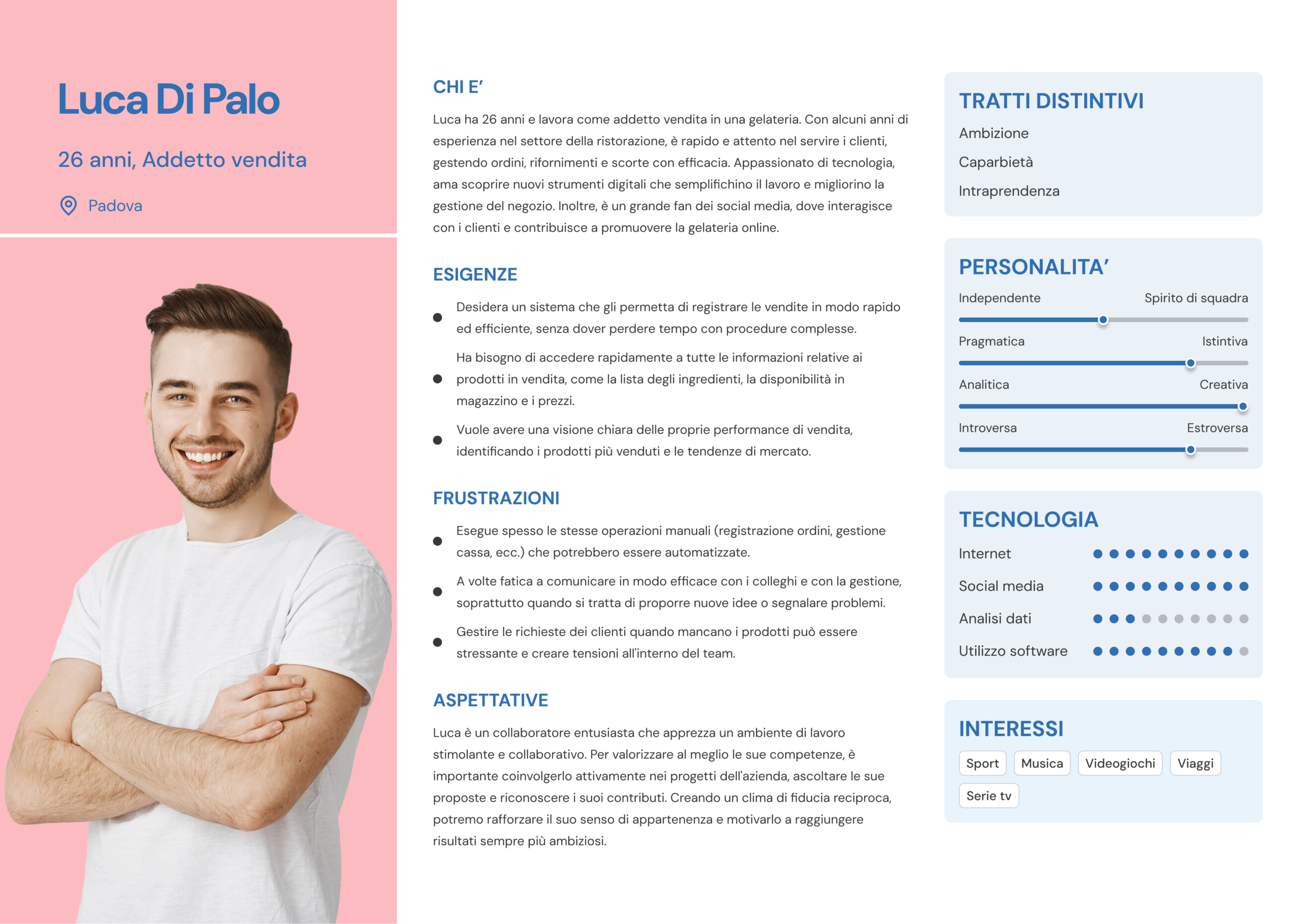
SALES STAFF NEEDS
Fast checkout
Simple inventory update
Minimal training
Operational architecture
Designing not only the interface, but the operational logic behind it
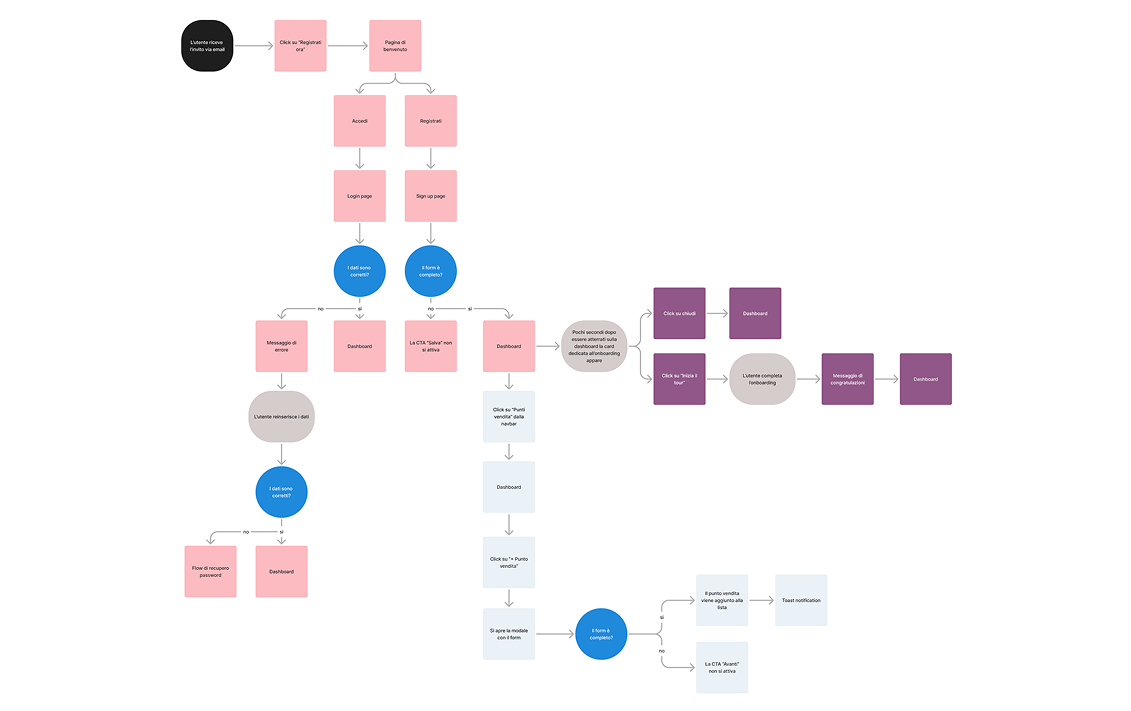
USER FLOW
To structure the experience across roles, I mapped the end-to-end journey from login to daily operations and performance monitoring. The flow was designed to:
reduce friction in recurring daily tasks
surface critical data at the right moment
support role-based access and permissions
ensure consistency across multi-store operations
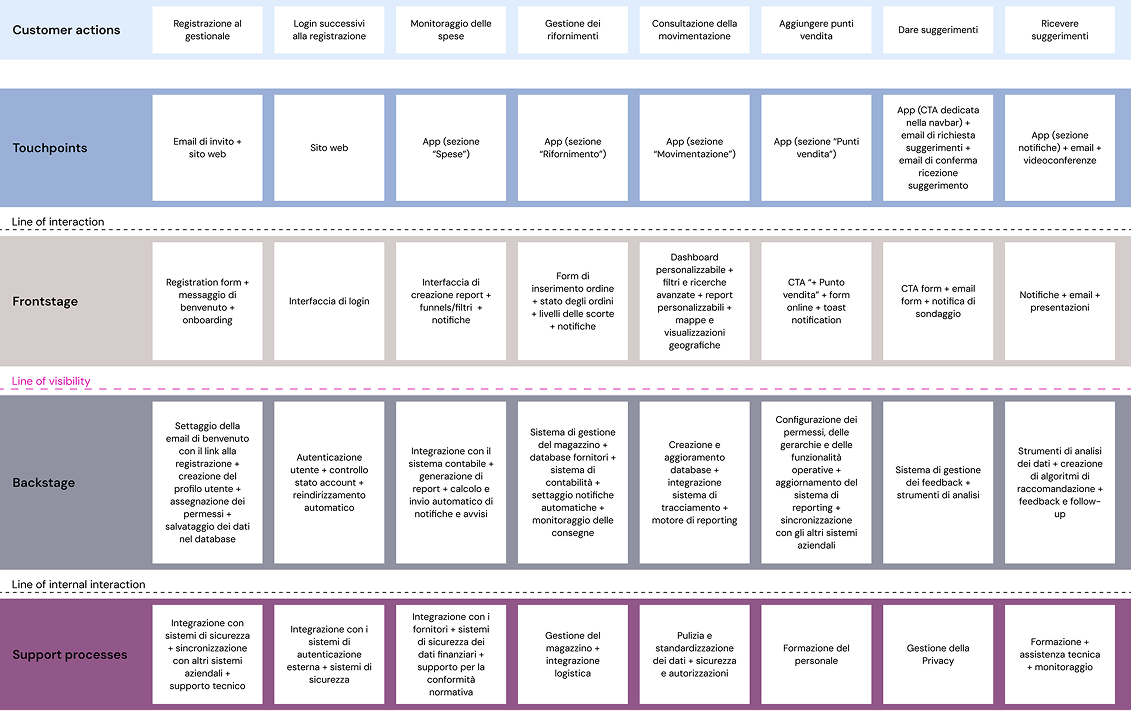
SERVICE BLUEPRINT
To define the operational structure behind the experience, I mapped the service blueprint across touchpoints, frontstage, and backstage processes:
role-based interactions
operational processes and automation
cross-store data flows
access control and approvals
Account creation experience
A streamlined sign-up flow focused on clarity, minimal input, and fast user activation
Key design choices
Minimal input to reduce friction and speed up completion
Clear hierarchy to guide users through the form
Layout designed for fast scanning and usability
Brand and interface balanced within a split layout
Optimized for quick user activation
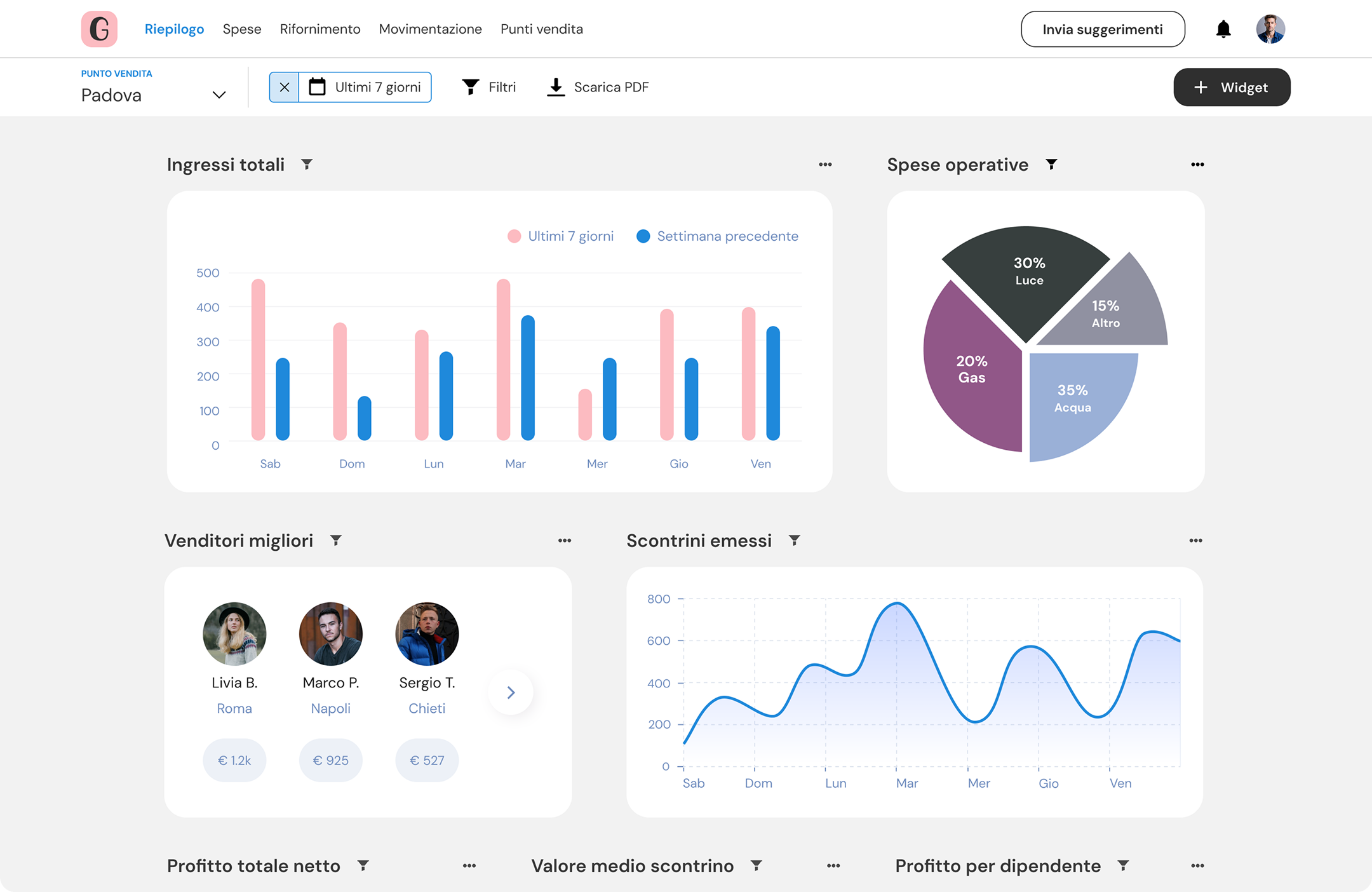
Operational dashboard
Designed to give store managers a clear, real-time overview of performance across multiple locations, enabling fast, informed operational decisions
Key qualities & outcomes
Designed a centralized dashboard to monitor performance across multiple store locations
Established a clear information hierarchy to support fast and intuitive data reading
Enabled quick comparison between time periods and key performance metrics
Reduced cognitive load through a clean and focused layout
Integrated revenue, expenses, and team performance into a single view
Designed for scalability across different roles and multi-store environments
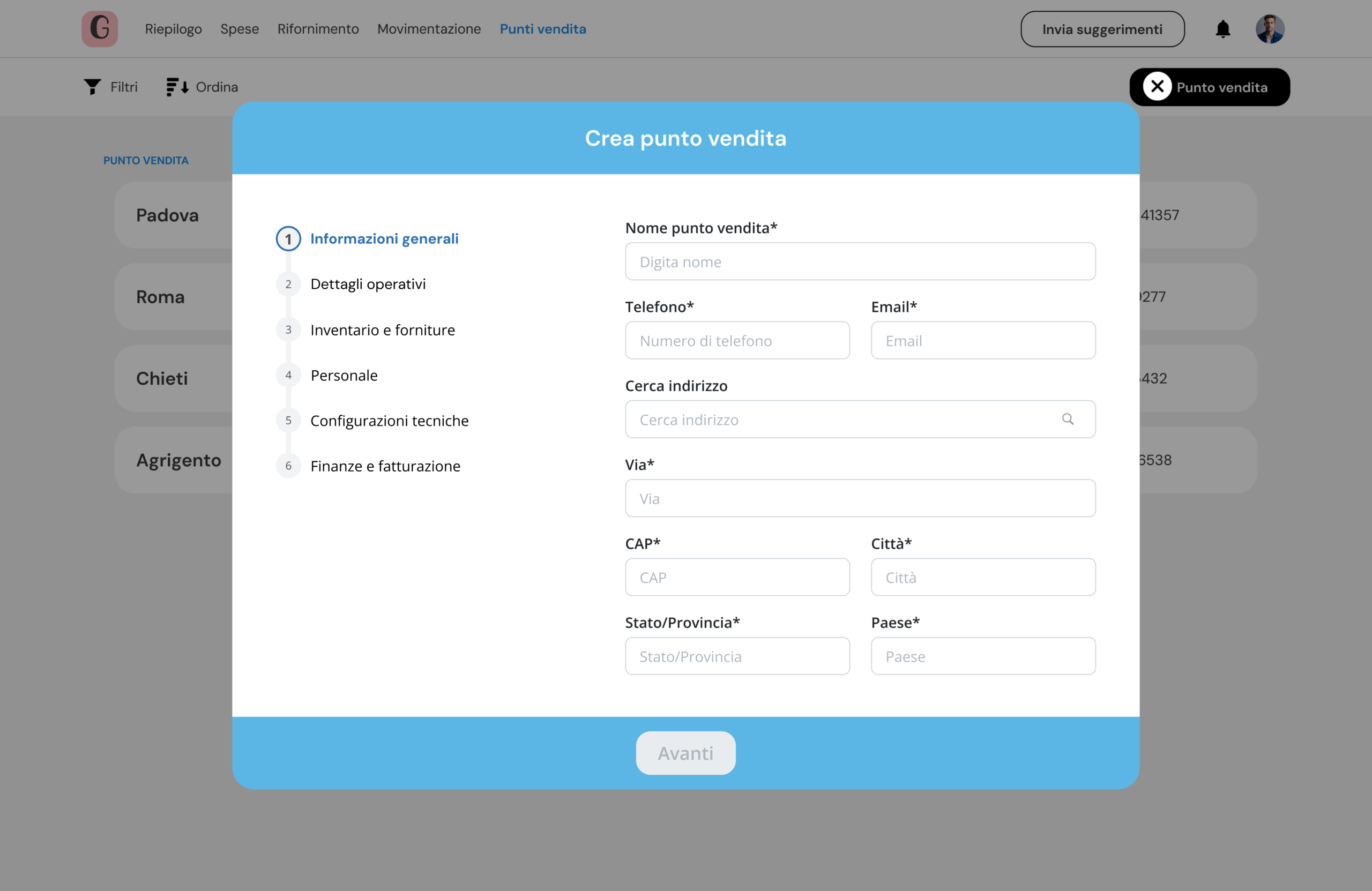
Store setup experience
Designing a structured, step-by-step flow to simplify the creation and configuration of new store locations
Key design choices
Structured complex input into a step-by-step flow
Grouped data to improve clarity and usability
Reduced cognitive load through progressive disclosure
Designed to minimize errors and support accurate input
Scalable across different store configurations
Product in Action
A walkthrough of the core workflows and role-based experience
Role-based onboarding
Guided store setup
Streamlined operational flow
Real-time confirmation and visibility
Key Outcomes
Impact of the redesigned operational system on efficiency, visibility, and decision-making across stores
Strategic Outcomes
Improved operational visibility across multiple store locations
Reduced reliance on spreadsheets and manual tracking
Clearer role-based workflows tailored to different team responsibilities
Faster access to financial and operational insights
More consistent processes across stores through centralized data
Performance Impact
−35% reduction in time spent on manual expense tracking
+40% faster access to key operational metrics for store managers
−28% decrease in operational errors caused by manual data handling
+32% improvement in cross-store performance monitoring
Improved decision-making through real-time operational dashboards